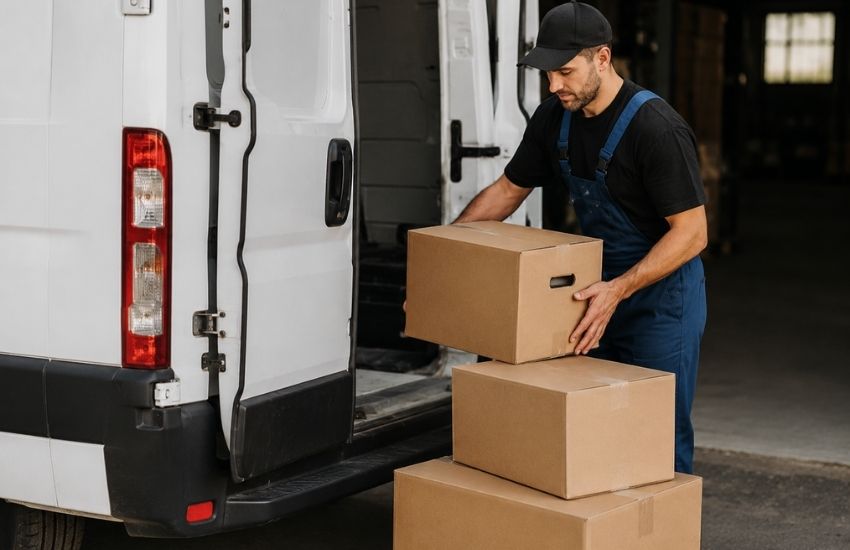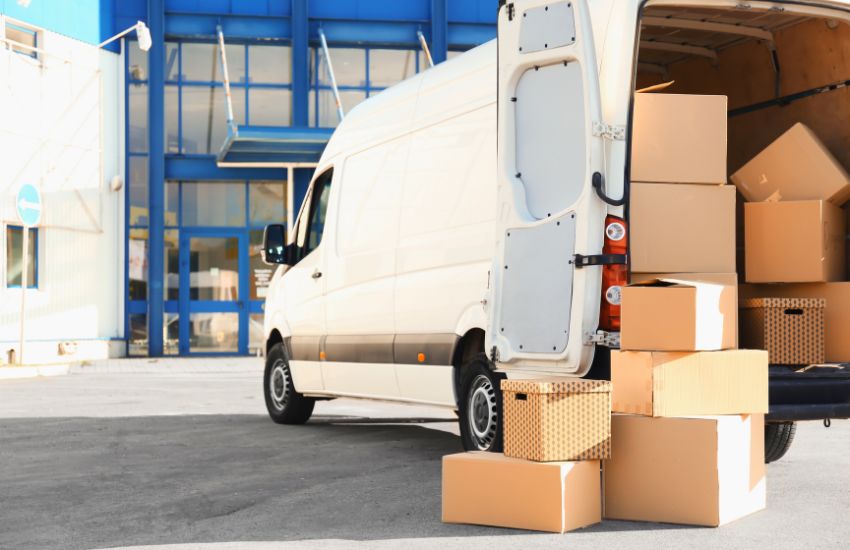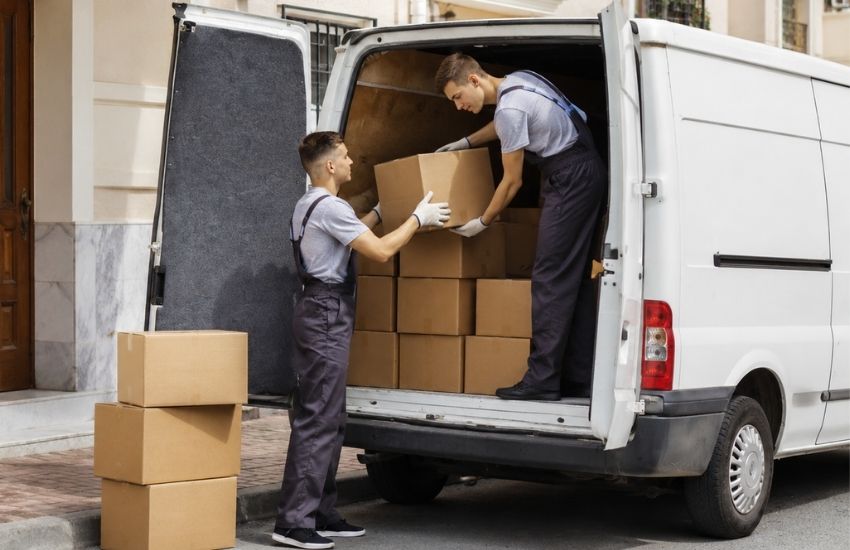
Knowing the common mistakes when loading a van is essential when carrying out a removal, transporting furniture, moving boxes, delivering goods or carrying work materials. A poorly organised load can damage items, waste space, make driving more difficult or make the journey more uncomfortable than necessary. That is why, before closing the doors and setting off, it is worth spending a few minutes planning how each item should be placed.
At Furgonetas Piqueras, we recommend preparing the load in advance, choosing the right vehicle and securing everything properly before transport. Loading a van is not simply about putting items inside until there is no space left: it is about distributing weight, protecting materials and making both the journey and unloading easier
Why It Is Important to Load a Van Correctly
Loading a van safely helps reduce risks during the journey and prevents many common problems. When the load is badly distributed, the vehicle may become less stable, especially on bends, during braking or when manoeuvring. In addition, if items move around inside the loading area, they may hit each other or damage walls, furniture, appliances or delicate goods.
It is also a matter of efficiency. Organising the load in a van allows you to make better use of the available space, reduce unnecessary journeys and save time when unloading. During a removal, for example, placing large furniture first and then smaller boxes can make a significant difference.
Finally, a well-planned load helps avoid improvisation. If we know what we are going to transport, how much space it takes up and which items are more fragile, it will be much easier to decide what type of van we need and how to place everything
Common Mistakes When Loading a Van and How to Avoid Them
Below, we review the most frequent mistakes and the best ways to prevent them.
Not Calculating the Load Volume Properly
One of the most common mistakes is starting to load without first calculating how much space the items will take up. This usually causes two problems: running out of space halfway through loading, or leaving gaps that are badly used.
To avoid this, make a list in advance of everything you are going to transport. Separate furniture, boxes, appliances, tools or goods, and think about which items cannot be stacked. It is also advisable to measure the largest objects, such as sofas, mattresses, tables or dismantled wardrobes.
Choosing a Van That Is Too Small or Too Large
Choosing the wrong vehicle size can make the whole move more complicated. A van that is too small forces you to make more journeys or load items awkwardly. A van that is too large can leave too many gaps if the load is not properly secured.
Before hiring, consider the volume, approximate weight and type of items you need to move. Transporting light boxes is not the same as moving heavy furniture or delicate goods. At Furgonetas Piqueras, we recommend reviewing the available van hire options, taking into account the space needed, the weight and the ease of loading and unloading.
Loading the Lightest Items First
Another common mistake is loading whatever is closest to hand first, without thinking about the correct order. If light boxes or fragile items are placed at the back and then heavy furniture is added afterwards, they may easily be crushed or damaged.
The best approach is to start with the largest and heaviest items. These should preferably be placed at the bottom and well supported. Medium-sized boxes, lighter objects and more delicate items can then be placed in protected areas.
Not Distributing the Weight Properly
Distributing weight in a van is essential for vehicle stability. If all the weight is concentrated on one side or at the rear, driving may become more uncomfortable and the load may shift more easily.
Distribute heavy items evenly, avoiding placing them all in one area. Position large pieces against the side walls where possible and place lighter items on top or in secure gaps.
Not Securing the Load Correctly
Assuming that items will not move because they are “wedged in” is a mistake. During the journey, braking, turning or bumps in the road can cause the load to shift.
Use straps, ties, blankets, ropes or securing systems suitable for the type of transport. It is not necessary to tighten them so much that they damage the items, but you must ensure that they cannot move freely. This is especially important when transporting furniture in a van, as well as appliances or sensitive goods.
Leaving Loose Items Inside
Tools, small parts, bags, open boxes or unsecured accessories can become a problem during the journey. As well as hitting other items, they may get lost or make unloading more difficult.
Store small items in closed boxes, strong bags or containers. Label anything important and avoid leaving loose objects on the floor. The more organised the interior is, the easier it will be to unload later.
Stacking Without Protecting Furniture or Goods
Stacking can help make better use of the space, but doing it without protection is risky. Furniture corners, lacquered surfaces, glass and appliances can be damaged easily.
Use blankets, cardboard, bubble wrap or protective covers on delicate areas. If you are transporting furniture, dismantle parts where possible and protect screws, legs or protruding elements. Stronger boxes should go at the bottom and fragile ones should be placed on top or away from the main weight.
Overloading the Van
Trying to fit everything into one journey can be costly. Overloading the van reduces driving comfort, makes organisation harder and increases the risk of damage to the load.
If you are unsure, it is better to plan two journeys or choose a more suitable vehicle. When hiring a van for removals, planning in advance helps avoid rushing and making improvised decisions.
Not Considering the Unloading Order
Many people load the van thinking only about fitting everything in, but not about how it will be unloaded. The result is having to move half the van just to get to the first items needed.
Place the items that need to be unloaded first close to the door. If you are making several stops, separate the load by destination. This tip saves time and avoids handling items more than necessary.
Not Checking Doors, Locks and Visibility Before Setting Off
Before starting the journey, check that the doors are properly closed, that nothing is blocking the locks or access points, and that the load does not interfere with visibility or driving. It is also worth checking that the items are not pressing against the rear or side doors.
This final check only takes a few minutes and can help prevent unexpected problems on the road.
Practical Tips for Loading a Van Safely
To organise the load in a van more effectively, we recommend following these guidelines:
- Make a list of items in advance and separate fragile items from stronger ones.
- Place heavy and bulky items first.
- Distribute the weight evenly.
- Protect furniture, corners, glass and delicate surfaces.
- Use closed and labelled boxes.
- Secure the load with straps or ties when necessary.
- Keep the items you need to unload first within easy reach.
- Check the load before setting off and after a long stop.
It is also useful not to fill very large boxes with heavy items. It is better to use several medium-sized boxes that are easier to move and place inside the vehicle.
Avoid Mistakes and Make Better Use of Your Hire Van
Avoiding common mistakes when loading a van starts with good planning: calculating the volume, choosing the right vehicle, distributing the weight, protecting items and securing the load properly. These steps allow you to transport furniture, boxes or goods in a safer, more organised and more efficient way.
If you are preparing a removal, a one-off transport job or need to move work materials, Furgonetas Piqueras can advise you on choosing the most suitable option. Check our available fleet or contact us to resolve any questions before hiring.