Loading a van seems easy… until it is time to fit in furniture, boxes, tools or work materials and you realise that every centimetre matters. The problem is not always a lack of space, but not knowing how to organise everything properly.
The good news is that, with a few practical tips, you can transport more, reduce the number of trips and protect your belongings better. In this guide, we explain how to make the most of a cargo van, whether you are preparing for a move or need to transport goods, event materials or professional equipment.
Before Loading: Plan as If You Were Preparing a Route
A well-loaded van starts before you even open the rear doors. The first step is to make a list of everything you are going to transport and sort it by size, weight and fragility.
Loading boxes of clothes is not the same as loading appliances, tools, furniture or delicate items. That is why it is useful to separate everything into three groups:
- Heavy and resistant items: washing machines, tables, machinery, boxes of books.
- Bulky items: mattresses, sofas, shelving units, panels.
- Fragile or delicate items: glassware, screens, lamps, mirrors.
This classification helps you decide what should go in first, what needs extra protection and which items can be used to fill smaller gaps.
Choose the Right Van Size
One of the most common mistakes is hiring a van that is too small “to save money”. However, if you end up needing two or three trips, that supposed saving disappears in time, fuel and effort.
If you are moving just a few boxes or light materials, a compact van may be enough. For house moves, large furniture or professional transport, it is usually worth choosing a medium or large van.
At Furgonetas Piqueras, we can help you choose the right vehicle according to the volume, weight and type of load. Because it is not just about whether everything fits, but whether it travels safely, neatly and without damage.
Load the Heaviest Items First
The golden rule is simple: heavy items go at the bottom and towards the front of the loading area. This helps maintain the stability of the vehicle and prevents large objects from shifting during the journey. Load these items first:
- Appliances.
- Sturdy furniture.
- Boxes of books or tools.
- Building materials or machinery.
Try to distribute the weight evenly on both sides of the van. If all the weight is concentrated on one side, driving may become less comfortable and less safe, especially on bends, roundabouts or when braking.
Use the Side Walls to Your Advantage
The side walls of the loading area are ideal for placing long, flat objects. For example:
- Mattresses.
- Boards.
- Well-protected mirrors.
- Dismantled doors.
- Flat shelving units.
Placing them vertically helps keep more floor space free. In addition, if they are properly secured with straps or blankets, they take up less space and are better protected.
A practical tip: do not place delicate items directly against hard metal or plastic surfaces. Use blankets, thick cardboard or foam to avoid scratches and marks.
Dismantle Everything You Can
An assembled table takes up far more space than a dismantled one. The same applies to shelving units, beds, desks and modular furniture.
Before loading, remove legs, shelves, drawers and moving parts. Keep screws in small labelled bags and attach them to the furniture with masking tape. This simple trick helps you to:
- Gain space.
- Avoid knocks.
- Stack items more easily.
- Reduce movement during the journey.
It also makes unloading much easier when you arrive at your destination.
Make Use of Small Gaps
In a van, gaps can also be useful. Between pieces of furniture, under tables or next to large boxes, you can place small and soft items such as bags of clothes, cushions, blankets or rucksacks.
However, avoid placing fragile items in gaps where they could become trapped or crushed. Empty spaces are useful, but they should be used sensibly.
A good technique is to fill gaps with items that also provide protection, such as blankets, pillows or textiles.
Group Boxes by Size and Weight
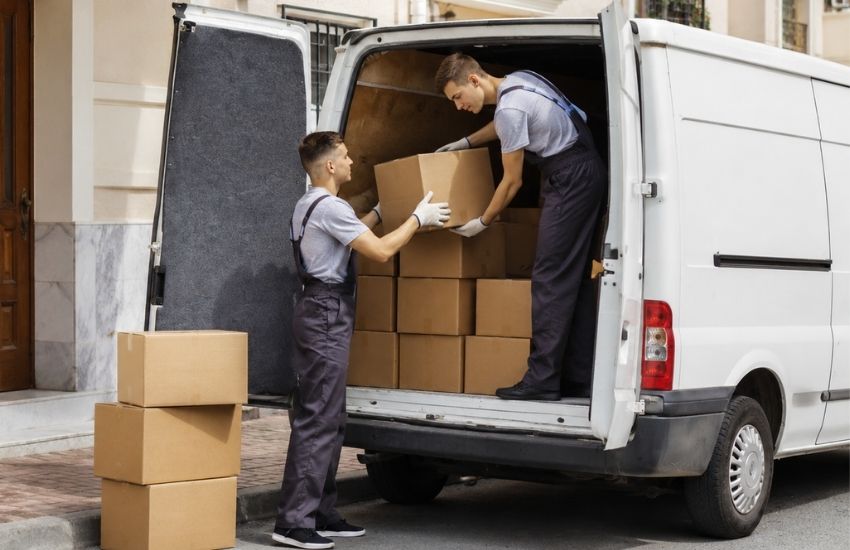
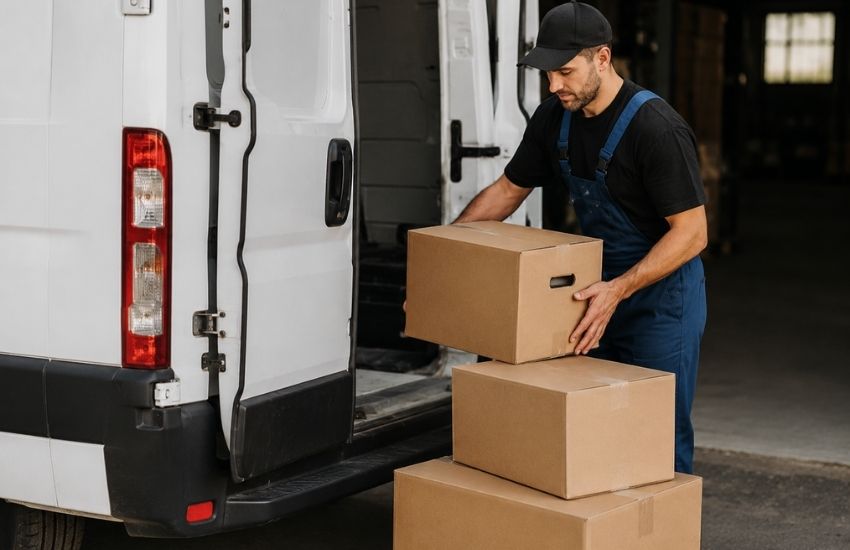
Boxes are the main feature of any move or transport job. To make better use of the space, use boxes of similar sizes whenever possible.
Heavier boxes should go at the bottom. Lighter boxes should go on top. Fragile boxes should be placed in an accessible and protected area. Label each box with simple information:
- Room or destination.
- Approximate contents.
- “Fragile” if necessary.
- Direction arrows if it must remain upright.
This saves time when unloading and prevents you from opening several boxes just to find one item.
Secure the Load: Space and Safety Go Together
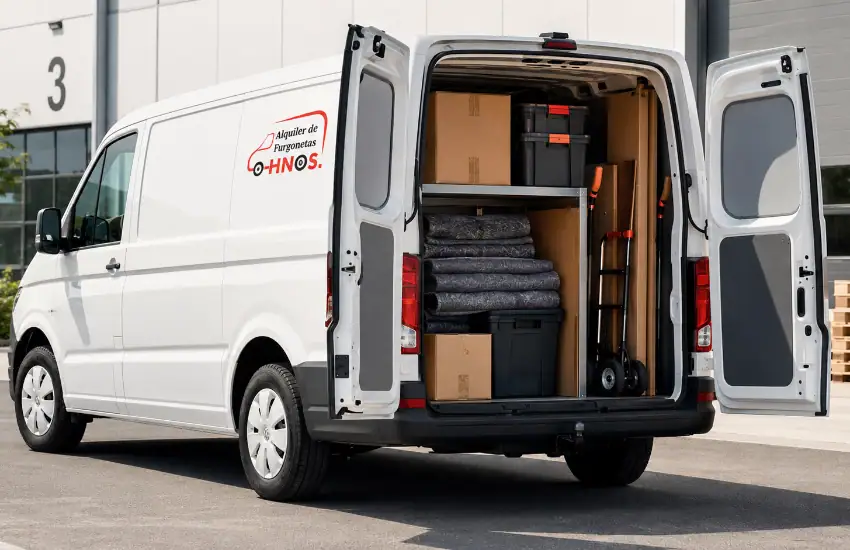
Making the most of the space does not mean forcing everything in. The load should be well arranged, but also properly secured. Use straps, belts, nets or separators if you are transporting items that may move.
Sudden braking can turn a badly positioned box into a problem. That is why it is important to check that nothing can fall when the doors are opened or move forwards while driving.
Safety is also part of good organisation.
Keep Important Items Within Reach
Do not load at the back the first things you will need when you arrive. It may seem obvious, but it happens more often than you might think. Keep these items close to the door:
- Assembly tools.
- A cutter or scissors.
- Adhesive tape.
- Keys.
- Documents.
- Fragile items you want to unload first.
This avoids having to unpack half the van as soon as you reach your destination.
Load Better, Travel More Confidently/strong>
Making the most of a cargo van is not about putting everything in without order, but about combining planning, safety and common sense. Choosing the right vehicle, distributing the weight, dismantling furniture, using protective materials and securing the load can make the difference between a stressful move and a smooth one.
If you are preparing for a move, need occasional transport or have to move business materials, at Furgonetas Piqueras we help you choose the van that best suits your needs.
Contact us, tell us what you need to transport and we will guide you so that your next journey is easier, safer and more efficient.